Your Guide to 18 American Funeral Traditions

Funeral customs offer a unique lens into the values, beliefs, and cultures of a society. In the United States, these traditions reflect a blend of religion, family values, regional norms, and personal choice. While practices may differ widely among communities, several common elements are seen across American funerals.
Whether you’re arranging services for a loved one or thinking about your end-of-life plans, understanding these funeral traditions and etiquette can help guide your decisions.
Common Funeral Practices in the U.S.
Services Are Rarely Held at Home
In the past, wakes and visitations often took place in family homes. Today, most services are held at funeral homes, churches, or other venues. Home gatherings are more commonly reserved for informal receptions or religious observances, such as the Jewish tradition of sitting shiva.
Funeral Professionals Typically Prepare the Body
In most American funerals, licensed funeral directors and staff are responsible for preparing the body for burial or cremation. While some families may choose home preparation for cultural or personal reasons, it’s not the norm.
Cremation Has Surpassed Burial
Cremation is now more common than burial in the U.S. Cost, convenience, and changing spiritual views have contributed to this shift toward cremation. However, burial remains preferred in some religious and cultural communities.
Visitation Often Includes an Open Casket
A common feature of American funerals is a public viewing or visitation. The deceased is dressed in personal clothing and presented in a lifelike manner, giving loved ones a final opportunity to say goodbye.
Flowers Are a Traditional Tribute
Floral arrangements, such as casket sprays and standing displays, are standard at most services. Some families request donations to charity in place of flowers, but floral tributes remain a visible expression of sympathy and support. Planting a memorial tree in honor of the individual is also a popular tribute.
Religious Beliefs Shape the Service
Even when held outside a house of worship, most American funeral services reflect the deceased’s faith through readings, music, and symbols. Services for those who are non-religious may highlight personal values, philosophies, or life stories.
Personalization Is Increasingly Common
Caskets, urns, and service elements are often customized to reflect hobbies, beliefs, or personality. From sports logos on urns to themed memory tables, personalization has become a hallmark of modern American funerals.
Readings Often Come from Scripture or Poetry
Bible verses, psalms, or other religious texts are frequently used in funeral services. Secular poems and personal writings may also be included to reflect the unique spirit of the deceased.
Attendees Wear Black or Muted Colors
Dark or subdued clothing is typical, symbolizing mourning and respect. However, some families prefer specific colors or casual dress to better reflect the personality or wishes of their loved one. More informal or themed clothing is often worn at a celebration of life, more so than at a traditional funeral.
Formal Dress Is Still the Norm
Despite casual trends in daily life, many mourners still wear suits, dresses, or business attire to funerals, especially for services held in places of worship.
Eulogies Celebrate the Person’s Life
Eulogies are often delivered by clergy, family, or close friends. These speeches typically focus on positive memories, accomplishments, and character traits, offering comfort to those in attendance.
Music Plays a Central Role
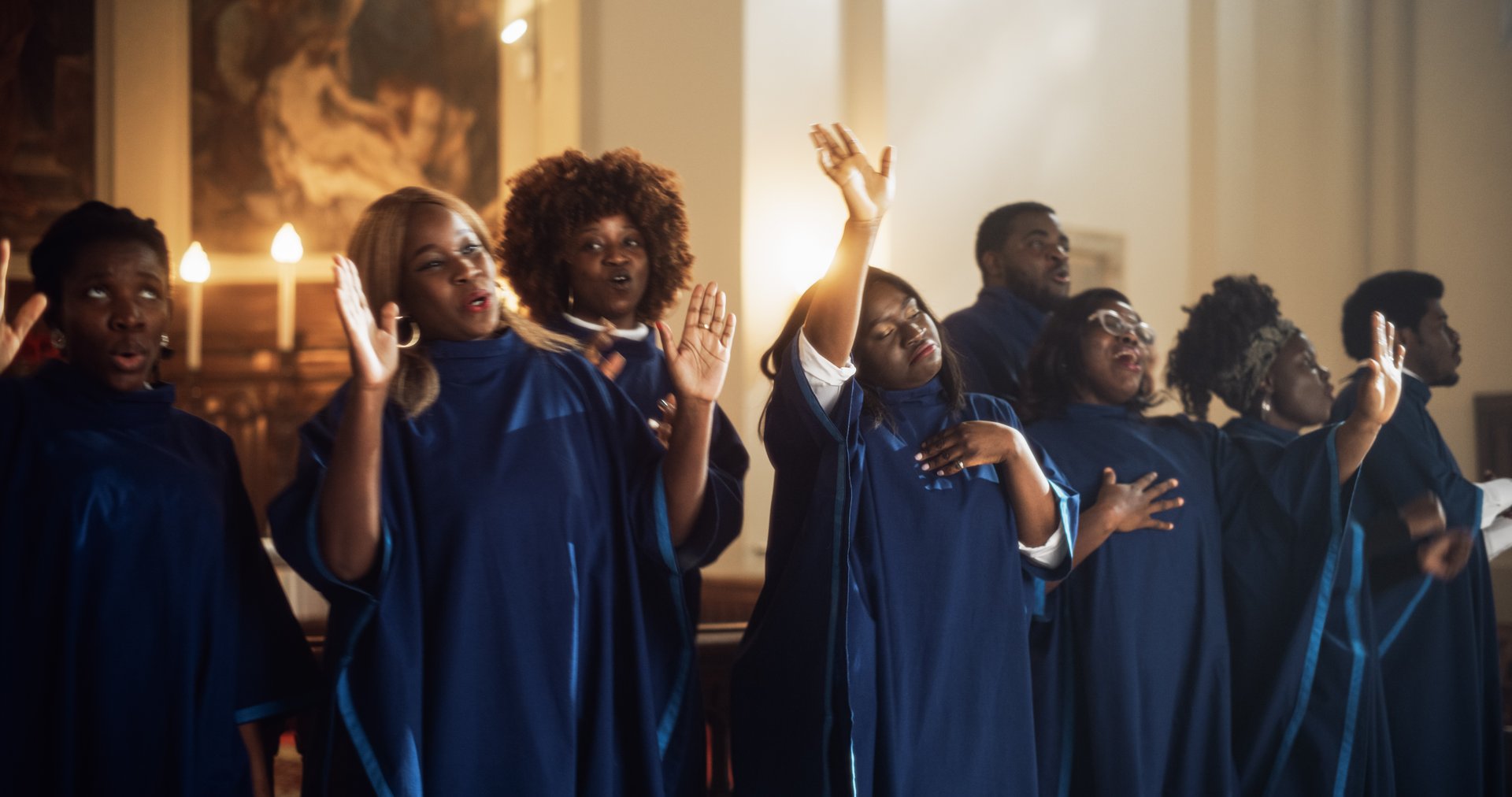
Music, whether religious or secular, helps set the tone for the service. Favorite songs, hymns, or instrumental pieces are often chosen based on the individual’s preferences or beliefs.
Photos Are Displayed at Services
Photo displays or slideshows are a meaningful way to celebrate a person’s life. These visuals often show joyful moments and milestones, helping mourners connect through shared memories.
Final Placement Includes a Brief Ceremony
Whether a loved one is buried, entombed, or cremated, the act is often accompanied by a graveside or scattering ceremony. These are typically shorter than the main funeral service but provide important closure.
Military Honors May Be Included for Veterans
Veterans and active-duty military members are often recognized with special honors, such as a flag presentation or 21-gun salute. These tributes acknowledge their service and sacrifice.
Some Families Choose Private Services
Private services may be held for personal, financial, or emotional reasons. These gatherings may be limited to close family and friends, or in some cases, no service is held.
Receptions Offer a Time to Reflect
It’s common to hold a meal or reception after the service. This may take place at a home, church, community hall, or restaurant, offering mourners a chance to connect and share stories.
Meals and Gifts Are Given to the Grieving
Bringing meals or offering restaurant gift cards to the grieving family is a widespread custom. These acts of kindness support loved ones during a time when cooking or errands may feel overwhelming.
What Will Your Funeral Tradition Be?
Perhaps you want to incorporate some of these distinctly American characteristics into funeral arrangements for a loved one or yourself. Planning today allows you to shape how your own story is remembered later, and also relieves your loved ones from making difficult decisions without your input. Whether you choose burial or cremation, want a standard memorial or a less conventional sendoff, planning for the future ensures your wishes are respected. Click here for our free planning guide.
Subscribe to our free monthly newsletter for practical guidance on end-of-life matters.
Email Newsletter
Subscribe to receive our monthly newsletter, educational content and more.
By entering your email, you agree to receive this resource and future communications from Altogether, and to our Privacy Policy