What Are Professional Mourners and Why Do They Exist?
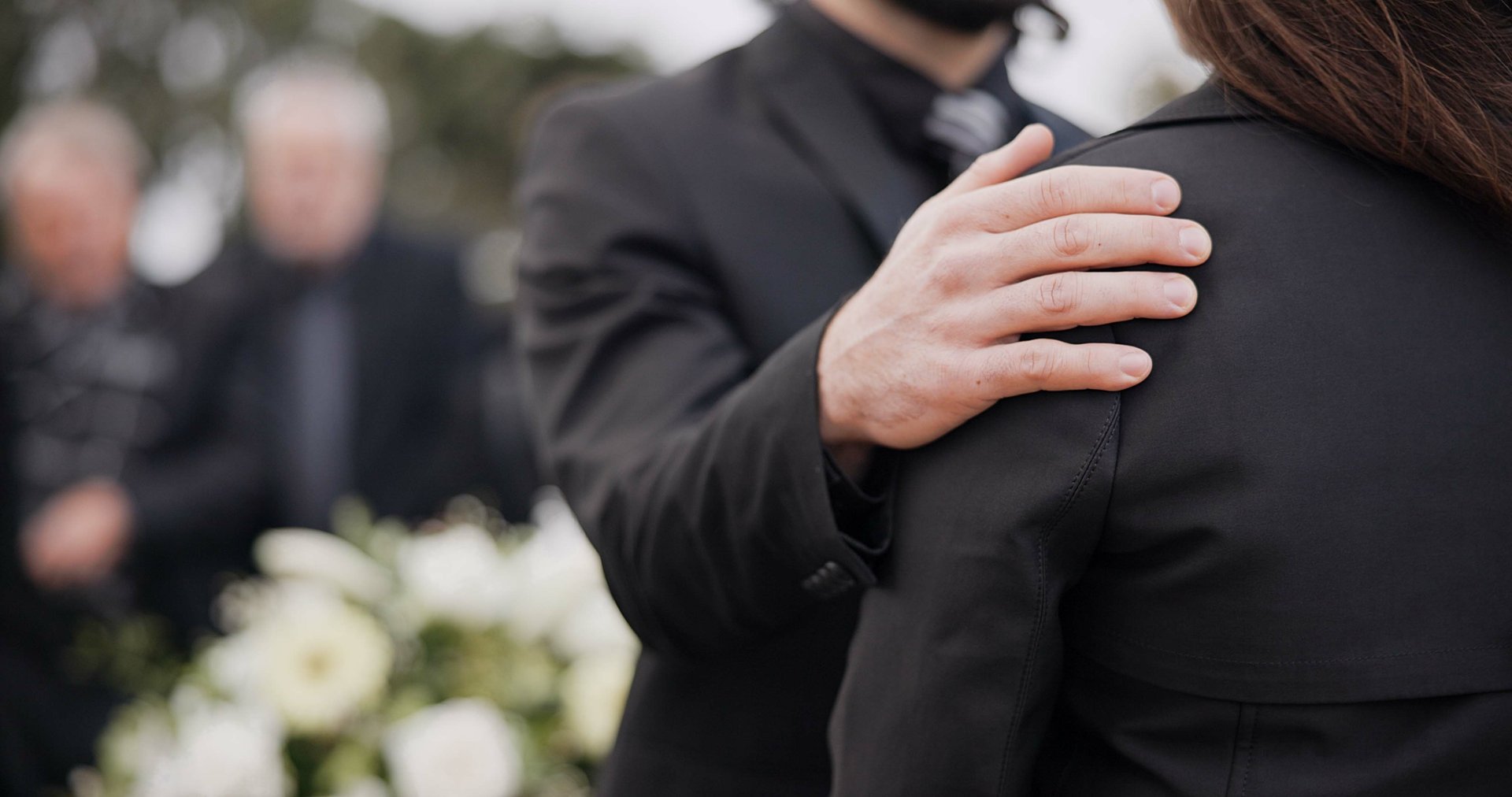
While the term “professional mourner” might conjure images of paid actors dramatically sobbing at funerals, this is an ancient tradition rooted in cultures around the world. In many societies, paid mourning is a respected occupation that is more common than it might sound to unfamiliar ears. It’s still practiced in parts of the United States today.
Although not as widespread as it was in the past, professional mourning continues in several cultures. These mourners serve a vital role, offering insight into the diverse ways death is honored around the world.
What Is a Professional Mourner (Moirologist)?
A professional mourner, also known as a moirologist, is someone who is paid to attend funerals and grieve, despite not knowing the deceased. Their job is to express sorrow, participate in mourning rituals, and often support grieving families during ceremonies.
Professional Mourners: An Ancient Tradition Still Practiced Today
Professional mourning has deep historical roots across many cultures. This practice dates back to ancient Egypt, China, and the Middle East. In these societies, female mourners were often hired to wail, chant, or perform rituals during funerals.
Ancient Egypt
In ancient Egypt, professional mourning was strictly regulated. Only women without children could take on this role. These mourners had to remove body hair and had the names of goddesses tattooed on their shoulders, symbolizing a spiritual embodiment during ceremonies. It was socially unacceptable for men to cry in public, making female mourners essential.
Ancient Rome
In Rome, professional mourners were commonly hired by wealthy families. The more mourners you had, the more status and honor your funeral conveyed. Loud wailing, hair-tearing, and dramatic displays were viewed as respectful and proper.
Hiring mourners became a symbol of social standing, and in some cultures, that tradition continues to this day.
What Do Professional Mourners Do?
So, what exactly does a professional mourner do?
In ancient times, mourners were expected to cry loudly, tear their garments, and express their grief theatrically. Today, while some still perform with flair, most modern professional mourners take a more subtle approach.
Trained in emotional expression and cultural customs, these professionals may:
Cry or express sorrow in a subdued way
Offer condolences to the family
Speak respectfully about the deceased
Observe local funeral traditions
Depending on the setting, mourners might also dress in culturally appropriate attire or participate in ritualistic mourning acts.
Professional Mourning Around the World
Though the practice might seem rare, professional mourners are still common in various regions.
China
Chinese funerals are steeped in ritual and tradition. Historically, funeral processions often included musical performances and theatrical displays of grief.
Even today, in some regions of China, hiring professional mourners is seen as a sign of respect and social standing. Culturally, it’s not customary to express public emotion, except during mourning. For this reason, many families hire mourners to show appropriate levels of grief.
Some professional mourners in China are highly sought-after performers, incorporating crying, dance, and even karaoke into ceremonies – a fascinating blend of ancient mourning customs and modern performance.
India
In Rajasthan, India, mourning in public is traditionally reserved for lower-caste women. Known as rudaalis, these women are hired to grieve publicly, often wailing and beating their chests, for up to 12 days after someone’s death. The length and intensity of mourning reflect a family’s social importance.
Though the tradition is fading in modern times, especially with the rise of quieter, more intimate funerals, rudaalis remain an iconic part of India’s mourning history.
England
Victorian England embraced elaborate mourning customs, where grief was formalized and performative. Wealthy families often hired professional mourners to ensure their loved ones were properly grieved.
Today, this tradition survives in smaller circles. In modern-day England, you can hire a “discreet and professional” mourning service for about £45 an hour, especially in cases where a low turnout is expected or where families seek to maintain social appearances.
United States
While rare, professional mourners exist in the U.S. as well. A reality TV show spotlighted a Texas funeral home that uses hired mourners to elevate the funeral experience. In a culture where a well-attended funeral still symbolizes a life well-lived, this service fills a niche.
There are also unpaid mourners, such as The Arlington Ladies, who attend funerals at Arlington National Cemetery. These volunteers, who don’t know the deceased personally, honor fallen soldiers with their presence, showing that even without pay, the act of mourning is deeply meaningful.
Coping with Loss
Grief is complex, and no two journeys are the same. This guide offers insight into what you may experience and resources to help along the way.
By entering your email, you agree to receive this resource and future communications from Altogether, and to our Privacy Policy
How to Become a Professional Mourner
There is no official career path or certification for professional mourning, but demand for this unique service is growing in some parts of the world.
Experience and Skills
No formal education is required
A background in acting or theater is helpful
Ability to express grief on demand
Comfort with public speaking or participation in ritual
Personal experience with loss may enhance empathy and realism
Most funeral homes that offer this service will ask for an audition or demonstration of your capabilities.
Salary and Payment
There is no industry-standard wage. Professional mourners are typically paid:
Per event (flat rate)
Hourly, ranging from $35 to $500+ per hour
Top performers in countries like China can command premium rates
Mourning as a Profession and a Gift
While hired sorrow might seem strange to some, professional mourners offer a real service to grieving families. In many cultures, a well-attended, emotionally rich funeral still matters. These professionals help create meaningful farewells that align with personal and cultural values.
Whether you envision a small, private gathering or a ceremony filled with music, ritual, and theatrical grief, planning your own funeral is a deeply personal choice.
There’s no one right way to mourn. Understanding traditions like professional mourning reminds us how richly diverse, and deeply human, our responses to death truly are.
Looking for more guidance? Learn the language of funeral planning, explore what happens at a traditional funeral service, and find meaningful ways to show support.


