What Is a Funeral Recessional?

A funeral recessional is the formal exit at the end of a memorial service or traditional funeral. It marks the moment when the casket or urn is carried out of the venue, usually followed by family, the officiant, and other mourners. This symbolic departure gives loved ones a chance to say a final goodbye and then proceed to a reception, burial, or cremation.
It’s a moment of solemnity and reflection, but it can also be deeply personal — and even celebratory — depending on the wishes of the deceased or their family.
Why the Recessional Matters
The recessional isn’t just a formality. It:
Provides closure at the end of the ceremony
Offers a final chance to honor the person’s life
Signals the transition from ceremony to burial, scattering, or gathering
Allows families to walk behind their loved one one last time
Whether silent, musical, tearful, or hopeful, this moment is a powerful part of saying goodbye.
Who Participates in the Recessional?
In a traditional order, the funeral recessional usually looks like this:
Clergy or officiant
Pallbearers escorting the casket or urn
Immediate family members, often walking in pairs or groups
Extended family and guests, row by row
If it’s a cremation memorial or a service without a casket, families might carry a photo or urn instead, or simply walk behind the officiant in a symbolic exit.
Recessional Music: What to Choose
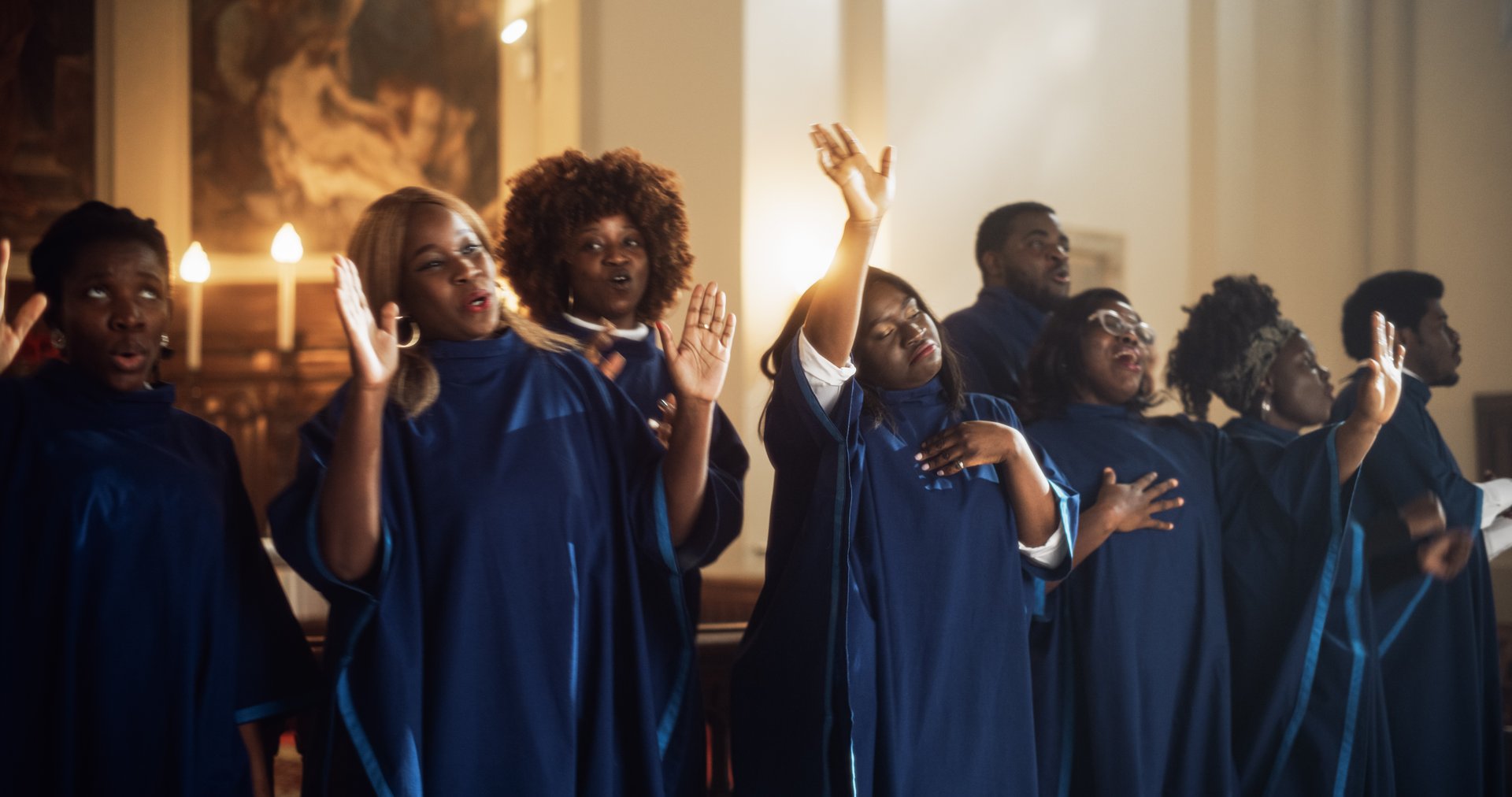
Music can play a powerful role in setting the tone. Some families choose something solemn, while others opt for something uplifting or even a personal favorite. Common choices include:
Hymns: “Amazing Grace,” “How Great Thou Art”
Instrumentals: Pachelbel’s “Canon in D,” bagpipe music, solo violin
Modern songs: A ballad or meaningful track that the person loved
Silence: Especially for deeply religious or reflective services
Cultures and Religions That Include a Recessional
Not every culture or religion has a formal recessional, but many include one in some form:
Christian funerals often include a recessional with the casket or urn, led by clergy and accompanied by hymn or instrumental music.
Catholic services frequently feature a recessional hymn, incense, and holy water as the casket is processed out.
Jewish funerals may not use the term “recessional,” but after the service, mourners follow the casket to the burial site in a similar procession.
Military funerals for Veterans often include a recessional with a flag-draped casket, salutes, and ceremonial music, such as “Taps.”
Buddhist and Hindu services may incorporate symbolic processions, chanting, or drumming as the body or ashes are transported after the ceremony.
Secular or humanist services can include a recessional that focuses on personal meaning, featuring music, poetry, or a period of silent reflection.
The details vary, but across traditions, walking out together provides a shared moment of unity and remembrance.
Famous Funeral Recessionals
Funeral recessionals of presidents, royalty, and celebrities have become a part of popular culture. They left a lasting impression on the public due to their symbolism, music, or sheer emotional impact. For example:
John F. Kennedy’s funeral in 1963 featured a solemn military recessional down the steps of St. Matthew’s Cathedral, with his young son famously saluting the casket.
Aretha Franklin’s homegoing service in 2018 included a joyful recessional filled with gospel music and pink Cadillacs, celebrating her life and legacy.
Princess Diana’s funeral in 1997 saw her family walking behind her casket in a moving public procession, as Elton John's adaptation of "Candle in the Wind" became an anthem for her memory.
George H.W. Bush’s funeral in 2018 featured patriotic music and a dignified military escort during the recessional at the National Cathedral.
These examples show how a recessional can become an unforgettable part of a farewell, blending tradition, personal tribute, and public mourning.
More Ideas to Make the Recessional Meaningful
No matter your background or beliefs, a funeral recessional can be a meaningful way to conclude the service. It gives everyone a shared moment of farewell and helps signal that, while grief continues, the ceremony has come to a close.
Some families add personal touches, such as:
Having grandchildren walk with flowers
Playing a favorite upbeat song
Carrying photos or a memory quilt
Inviting attendees to follow the family out to a celebration of life
Honoring Every Tradition
Whether your loved one’s farewell is religious, secular, traditional, or unique, the recessional offers one last chance to walk beside them. You can also personalize their memory in other ways, such as scattering ashes or planting a tree, or choosing cremation jewelry or a keepsake box. Whatever you choose, it’s all part of honoring their life in a way that feels right to you.
Subscribe to our free monthly newsletter for practical guidance on end-of-life matters.